Habits
Coffee, wine and the follicle: what the three o’clock latte and the nine o’clock glass actually do

I am asked about caffeine and alcohol in almost every consultation, usually with a slightly defensive tone, and the honest answer is that neither is the villain and neither is innocent. Here is what is known, without the lecture.
Caffeine
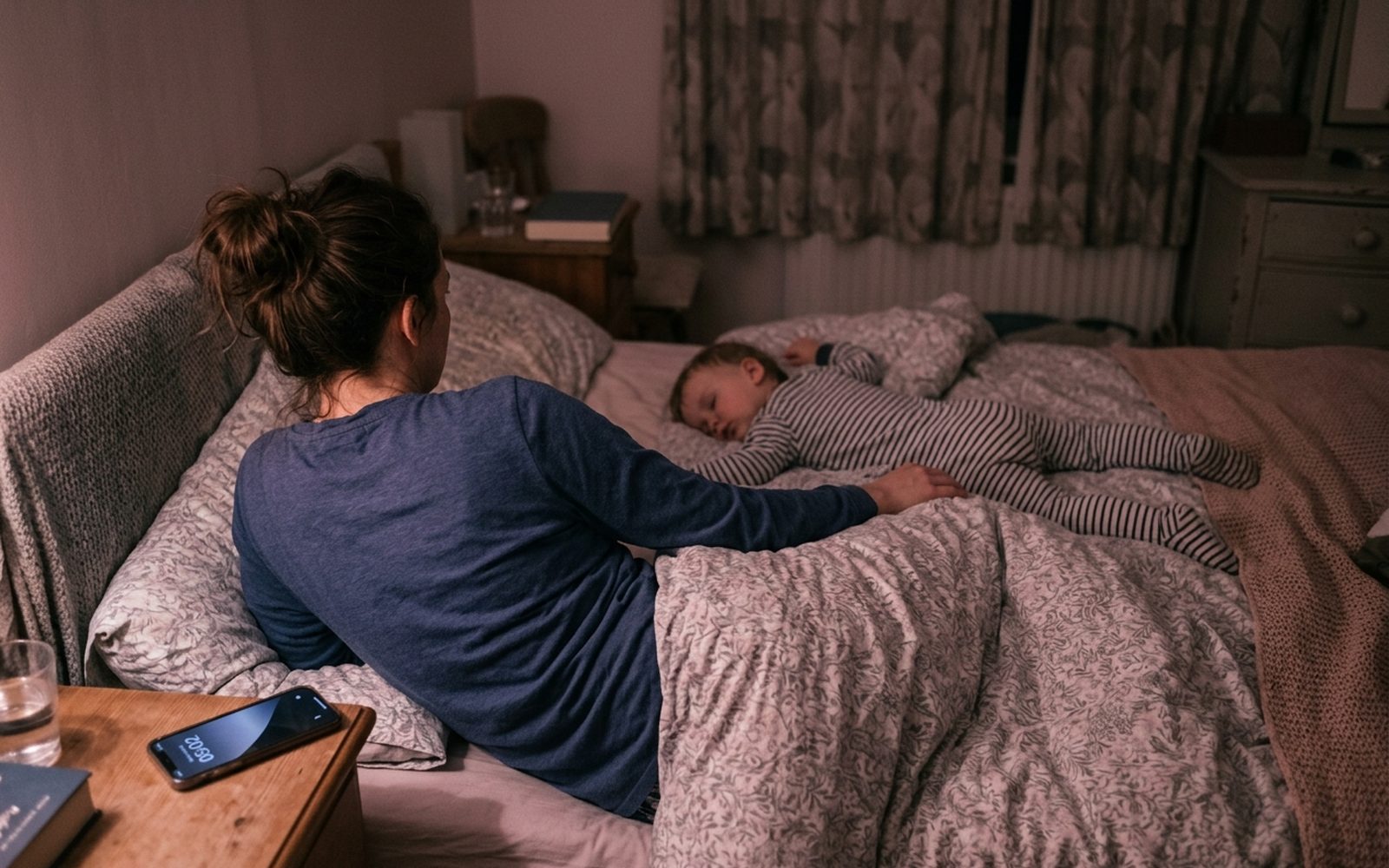
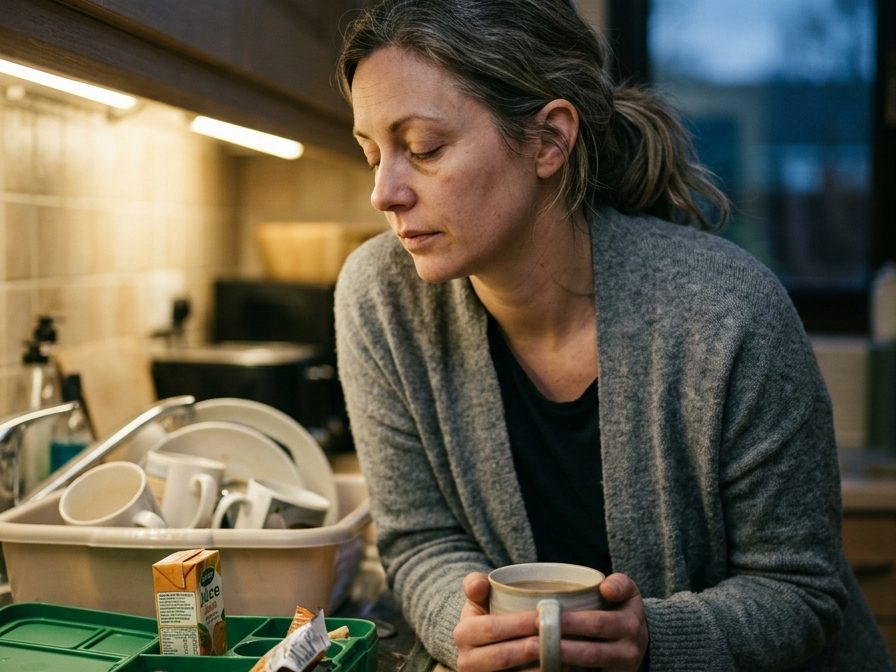
Drunk: in ordinary amounts — two or three cups a day — it has no meaningful effect on the follicle. In large amounts, particularly late in the day, it shallows sleep and raises cortisol, and both of those do affect hair over months. The problem is not the coffee; it is the three o’clock coffee that is compensating for a four-hour night. Before midday, as much as you like.
Applied: caffeine on the scalp is a different thing. In laboratory studies it partly counteracts the effect of testosterone on follicles and lengthens the growing phase, which is why it turns up in so many shampoos. The catch is that a shampoo is rinsed off in ninety seconds and caffeine needs minutes of contact to penetrate. A caffeine shampoo left on for two minutes does a little; a leave-on scalp treatment that includes it does more; and on its own it is a minor player rather than a treatment. Harmless, mildly helpful, not the answer.
Alcohol
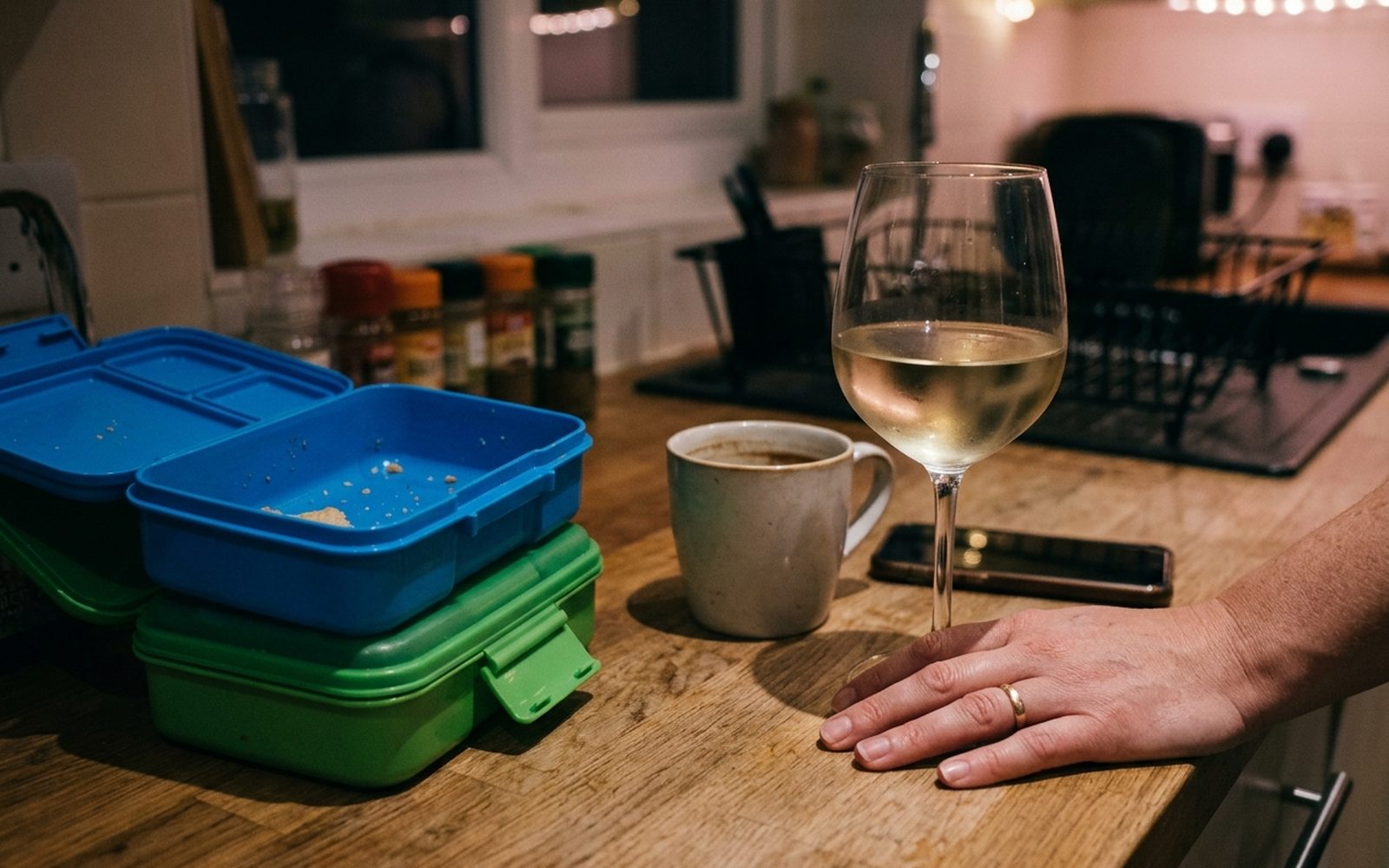
The mechanisms are indirect but real. Alcohol disrupts sleep, particularly the second half of the night, and does so even at one or two drinks. It depletes B vitamins and zinc and reduces iron absorption, all of which the follicle needs. It dehydrates, and a dehydrated fibre is a brittle one. Regular heavier drinking raises oestrogen in the short term and disturbs the whole hormonal balance over the long term, and it adds to inflammation. None of these causes hair loss on its own; each of them makes an already struggling follicle struggle a little more.
Not sure which one is you?
Take the two-minute hair quiz
Twelve quick questions. We tell you what we think is going on, what to do about it, and we say so if it is something we cannot help with.
Start the quiz →Where is the line? The evidence does not point to a glass of wine two or three evenings a week as a hair problem. It does point to the daily glass that has become two, the bottle over a weekend, and the wine that is being used to get to sleep. If that sounds familiar, it is worth being honest that the nightly glass is also a sleep and cortisol problem in disguise.
Smoking and vaping
Smoking is the one that matters most and gets asked about least. It constricts the tiny blood vessels that feed the follicle, floods the scalp with oxidative stress, damages the DNA in the follicle’s dividing cells, and accelerates greying. The link with pattern hair loss in both sexes is well established. Vaping delivers the nicotine, and nicotine does most of the vessel-constricting. If you smoke and your hair is thinning, stopping is the single most effective thing on this page.
What to actually do
Coffee before lunch, not after. Alcohol on some nights, not every night, and not as a sleep aid. If you smoke, stop, and if you vape, work towards stopping. And eat and drink water alongside all of it; most of the damage from a glass of wine to the fibre is the water it takes with it.
Ready to read your own pattern?
Take the two-minute hair quiz
Twelve questions. We tell you what we think is going on for you, and we say so if it is something a GP should see first.
Start the quiz →